
A simple blog explaining clean technology in an easy-to-read style. Cleaner environment Efficient energy usage Reduced industrial waste Improved long-term health of ecosystems From renewable energy systems to recycled materials, sustainable technology demonstrates how innovation can drive a healthier planet. These advancements help shape a responsible and eco-friendly future for young generations.

5 Ways Battery Recycling Benefits the Environment
Simple, clear benefits to help educate general readers. Battery recycling helps conserve limited minerals, reduces landfill waste, lowers carbon emissions, and supports circular economies. This blog explores five major environmental benefits, explaining how recovered metals can be reused in new EV batteries. It also highlights the role of consumers and recycling centers in making sustainable energy accessible to all.

The Role of AI in Building Sustainable Industrial Operations
Digital tools are helping industries optimize energy usage and reduce waste. Artificial intelligence is transforming sustainability in manufacturing by predicting equipment failures, improving energy efficiency, and enhancing process control. AI-powered optimization systems can reduce industrial waste by up to 20%, making operations both more economical and environmentally friendly. The integration of AI with IoT sensors is a growing trend across green tech industries.
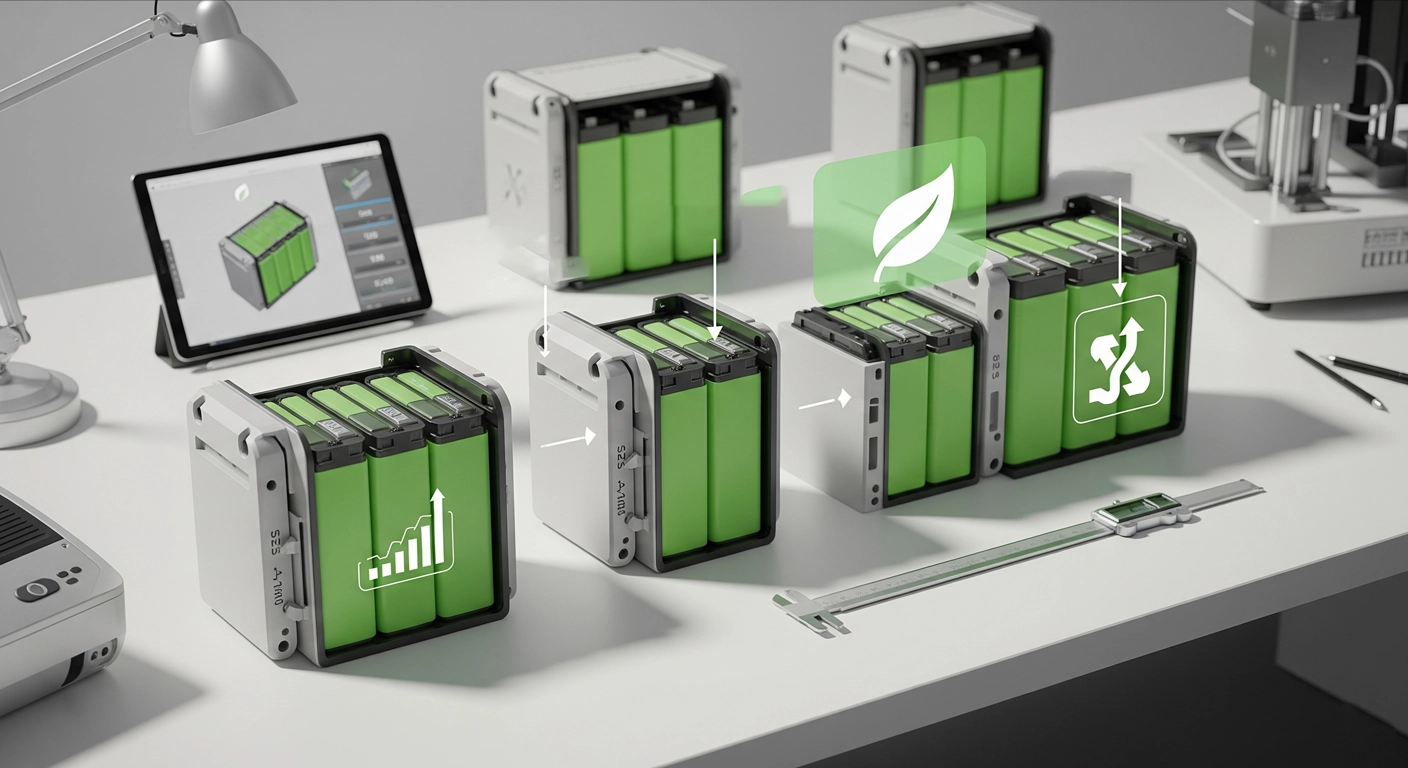
Solid-State Batteries: Are They the Future of Green Energy?
Exploring environmental benefits and limitations of solid-state technologies. Solid-state batteries promise higher energy density, improved safety, and reduced reliance on flammable electrolytes. From a sustainability perspective, these batteries could reduce material usage and extend product lifespan. However, challenges remain—including scalable manufacturing and sourcing solid electrolytes. As R&D accelerates, solid-state technology is expected to play a major role in next-gen clean energy systems.

Closed-Loop Manufacturing: Success Story from an EV Battery Maker
A manufacturer demonstrates circular production by reusing 30% recycled material. A major EV manufacturer partnered with a recycling firm to launch a closed-loop production system. The case study shows how the company successfully incorporated 30% recycled nickel and cobalt into new cathode materials without compromising performance. The partnership reduced carbon emissions by 25% and strengthened supply chain resilience.
How a U.S. Recycling Plant Increased Lithium Recovery to 95%
A real-world case study of efficiencies gained through process automation. This case study highlights a U.S.-based recycling facility that implemented AI-driven sorting and automated chemical treatment lines. After deployment, lithium recovery improved from 78% to 95%, while operational costs dropped by 18%. The integration of machine learning helped the plant optimize real-time separation and reduce material losses.
Mining to Manufacturing: Tracking the Value Chain in 2025
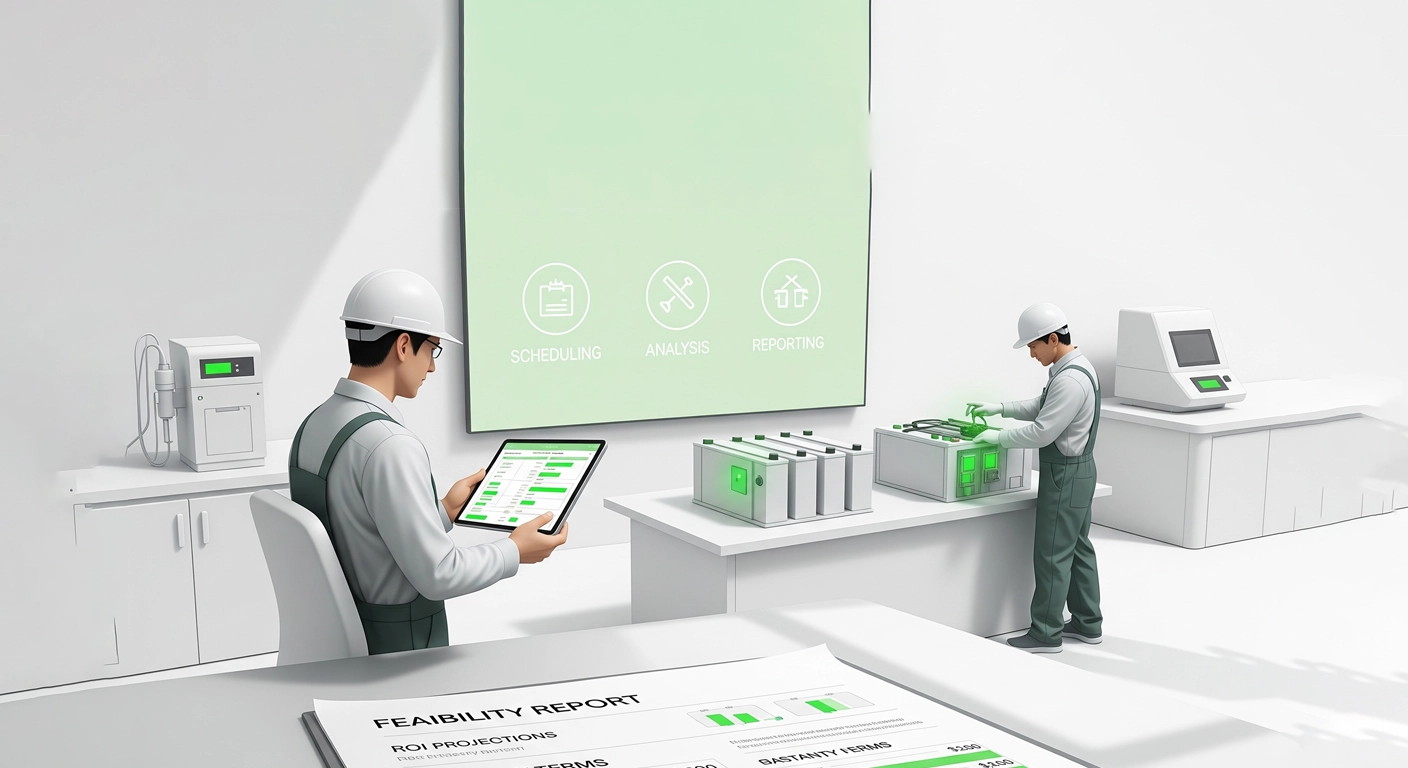
Industry analysis reveals major shifts in raw material sourcing and processing. The 2025 Value Chain Report outlines how geopolitical factors and environmental regulations are reshaping the global supply chain. Companies are shifting from traditional mining toward urban mining and recycled materials. With higher purity standards, refineries are investing in advanced hydrometallurgical processes to meet the growing need for battery-grade chemicals.
Global Battery Materials Market Forecast Shows 12% Annual Growth
The latest market report highlights strong demand for cathode and anode materials. A newly published industry report forecasts a 12% CAGR for the global battery materials market through 2032. Growth is driven by expanding EV production, renewable energy storage, and increased demand for high-purity metals. The report notes that NMC, LFP, and LCO chemistries remain dominant, while sodium-ion batteries are gaining early momentum in specific applications.

Europe Announces New Mandatory EV Battery Recycling Targets for 2030
The European Commission is pushing for higher recycling efficiency to support circular energy systems. The European Commission has proposed stricter recycling targets for EV batteries, setting mandatory recovery limits for lithium, nickel, and cobalt by 2030. Member states are encouraged to adopt automated sorting technologies and establish certified recycling hubs. The new regulations aim to boost circularity, reduce mining dependency, and ensure ethical supply chains in the energy storage industry.
Breakthrough in Lithium-Ion Battery Recycling Cuts Processing Time by 40%
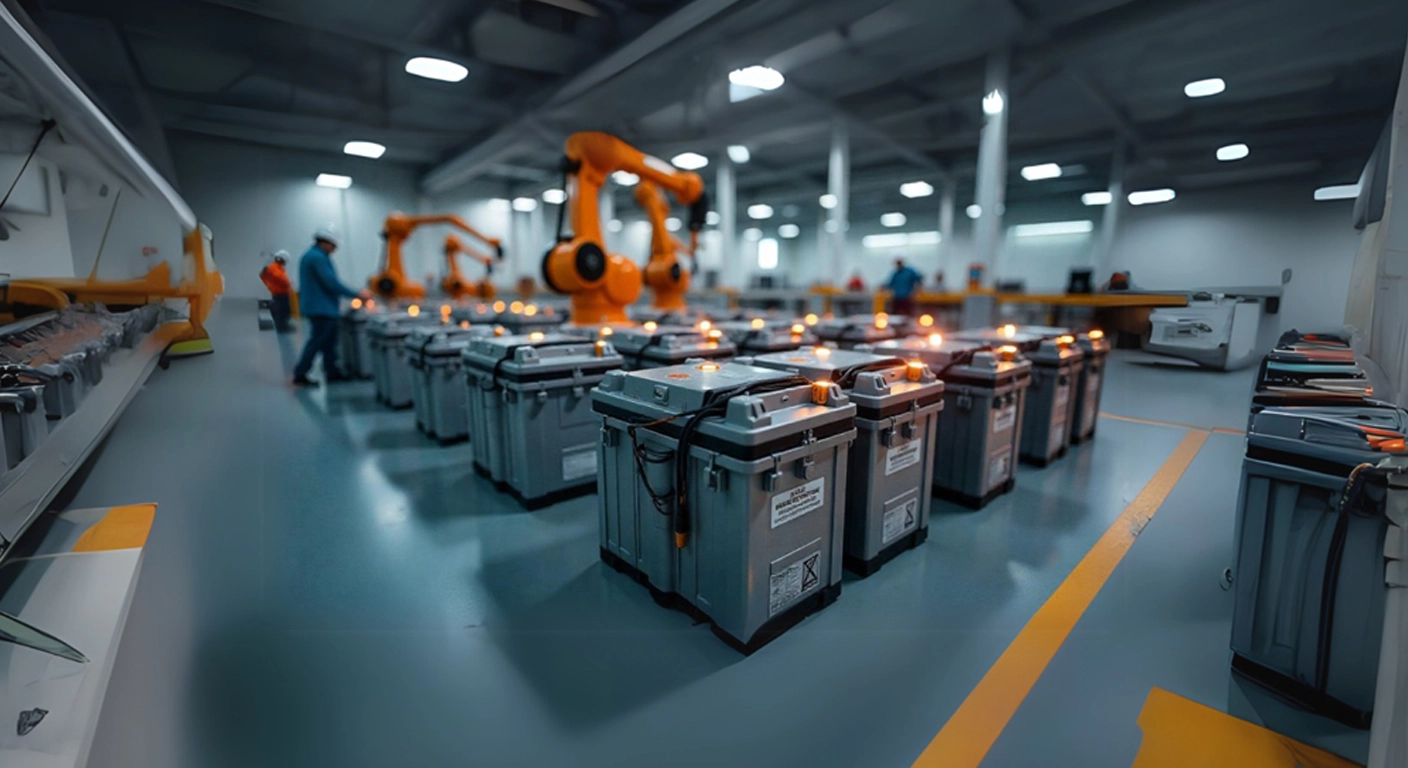
A new thermal-mechanical process is promising faster and cleaner lithium-ion battery recycling. Researchers at a leading materials recovery facility have introduced a new thermal-mechanical recycling process that reduces processing time by 40% while improving extraction efficiency. The technology uses controlled heat treatment to loosen active materials from battery electrodes, significantly lowering chemical usage. Industry experts believe this breakthrough could accelerate global EV battery recycling and reduce overall production costs.